Make Every Beat Count: Ultra-Short Workouts You Can Feel in a Song

Today we explore BPM-based playlist planning that powers ultra-short, music-synced workouts, turning one to five minutes into focused bursts aligned with tempo. By using beats as your guide, you’ll lock into steady effort, surge when the chorus hits, and unwind with deliberate calm. Expect practical structures, science-backed insights, and creative sequencing tips that transform favorite tracks into precise training prompts, helping you stay consistent, recover quickly, and finish exhilarated, even on days when time is scarce and motivation feels fragile.

Beat Precision That Drives Micro-Workouts

Using 120–140 BPM to Prime Warm-Ups

A steady 120–140 BPM range encourages smooth ramp‑up without spiking heart rate too early. Think mobility flows, light jogging in place, and easy jump rope synced to the beat. Matching breath to tempo builds heat while preserving composure, keeping perceived exertion in check. You’ll arrive at work sets mentally focused, physically ready, and less prone to overreaching during those critical first movements that set the tone for everything that follows.

Switching Tempos to Cue Intensity Peaks

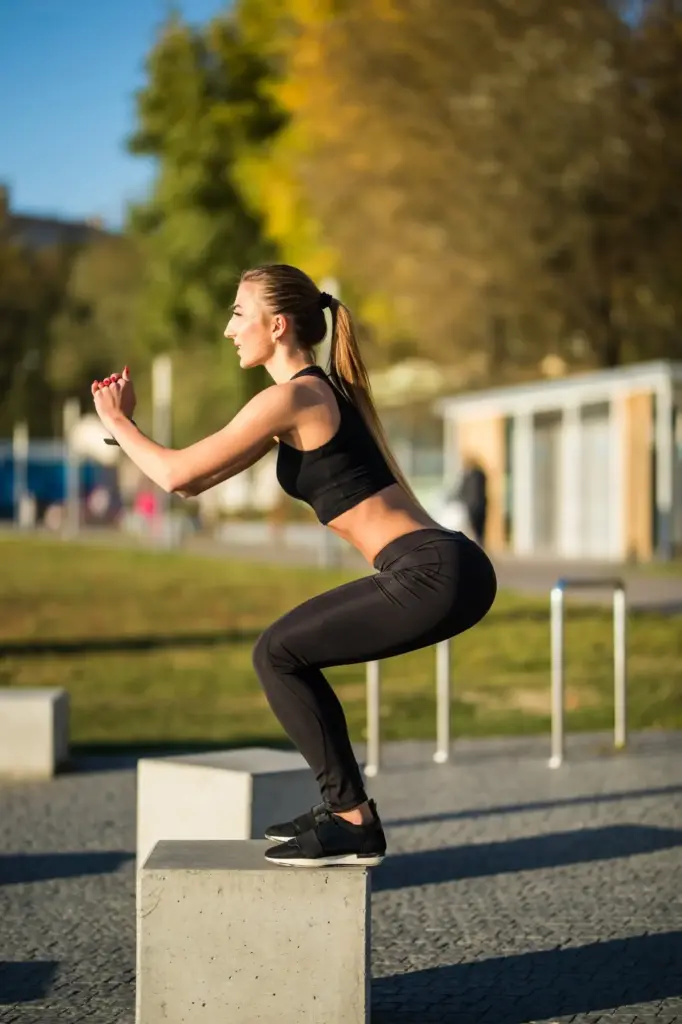
Use intentional tempo jumps—say from 140 to 165 BPM—to signal short, explosive bursts that match a chorus or drop. The song changes, and your output surges automatically, eliminating hesitations common with timers alone. Pair fast segments with compound moves: squat jumps, high‑knees, or kettlebell swings. Then return to a moderate verse for controlled cadence and form. The rhythm acts as a coach, delivering clear, motivating cues when you need them most.

Cooling Down at 90–100 BPM for Recovery

Downshift to 90–100 BPM for deliberate deceleration. Slow cadence encourages longer exhales, activating the parasympathetic response and smoothing heart rate variability post‑effort. Use this space for gentle walking, open‑chain mobility, and light stretches held through full breaths. By matching movement to calmer music, you signal safety and completion, reinforcing a satisfying arc that closes the session without abruptness, leaving your body refreshed instead of rattled by a sudden hard stop.

Designing Sessions by the Clock and the Metronome

Ultra‑short workouts thrive on clarity: a few songs, a precise pulse, and one focused intention. Instead of complicated spreadsheets, think playlists that fit the exact minutes you have. Two, three, or five minute designs create predictable arcs with warm‑in, peak effort, and controlled exit. Each section of the track becomes a cue, letting you move intuitively yet consistently. The result is reliable intensity, minimal friction, and progress that actually shows up across a busy week.

A 90‑Second Power Circuit That Hits Hard

Pick a track that ramps from 128 to 150 BPM within ninety seconds. Start with brisk bodyweight squats locked to the beat, then surge into fast mountain climbers when the chorus hits. Finish with an isometric hold during the final eight bars. This micro‑format builds power and discipline without mental overhead. As confidence grows, stack two runs back‑to‑back or pair the finisher with a mobility track for a complete, time‑smart session.

Three Minutes, Three Gears, One Clear Signal

Choose a song with distinct verse, chorus, and bridge energy shifts around 140–165 BPM. Verse equals controlled cadence work; chorus triggers peak intensity; bridge becomes technique refinement or breathing recalibration. Movements rotate among push, hinge, and locomotion to balance stress. Because the structure lives inside the music, you expend less willpower deciding pace and more effort expressing it. This format adapts beautifully to running strides, cycling sprints, and jump rope builds.

Five‑Minute Full‑Body Finisher with Musical Landmarks
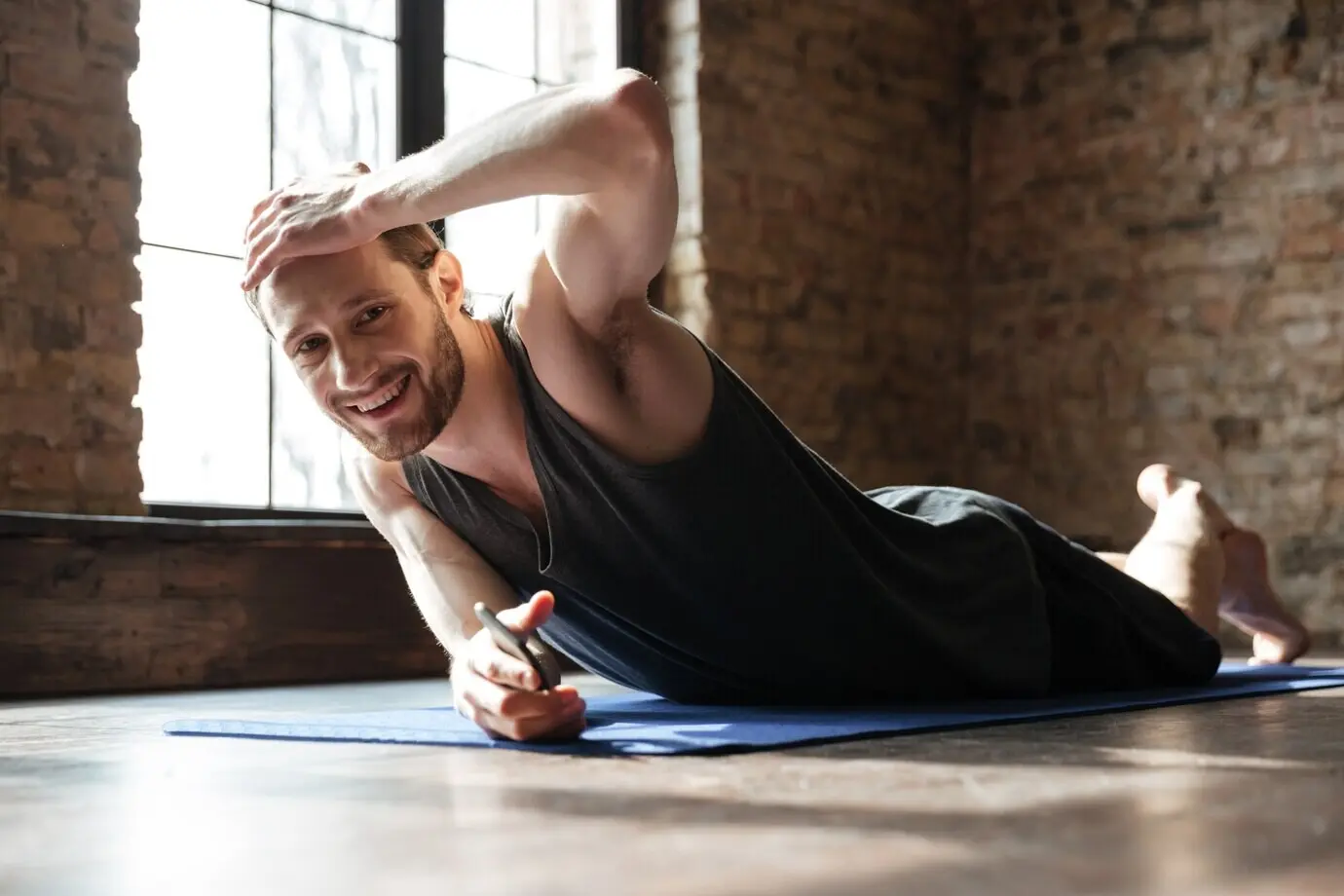
Stack tracks to create a five‑minute arc: 30 seconds at 120–130 BPM to prime, two minutes building at 140–150, one explosive minute at 160–170, and a final ninety seconds descending toward 100–110. Use choruses for multi‑joint drives and verses for form. Landmarks like pre‑chorus swells become technique checks. You finish breathing hard, posture tall, and mind focused, surprised by how much quality work fits into one song sequence.

Choosing BPM Ranges for Modalities That Move Differently
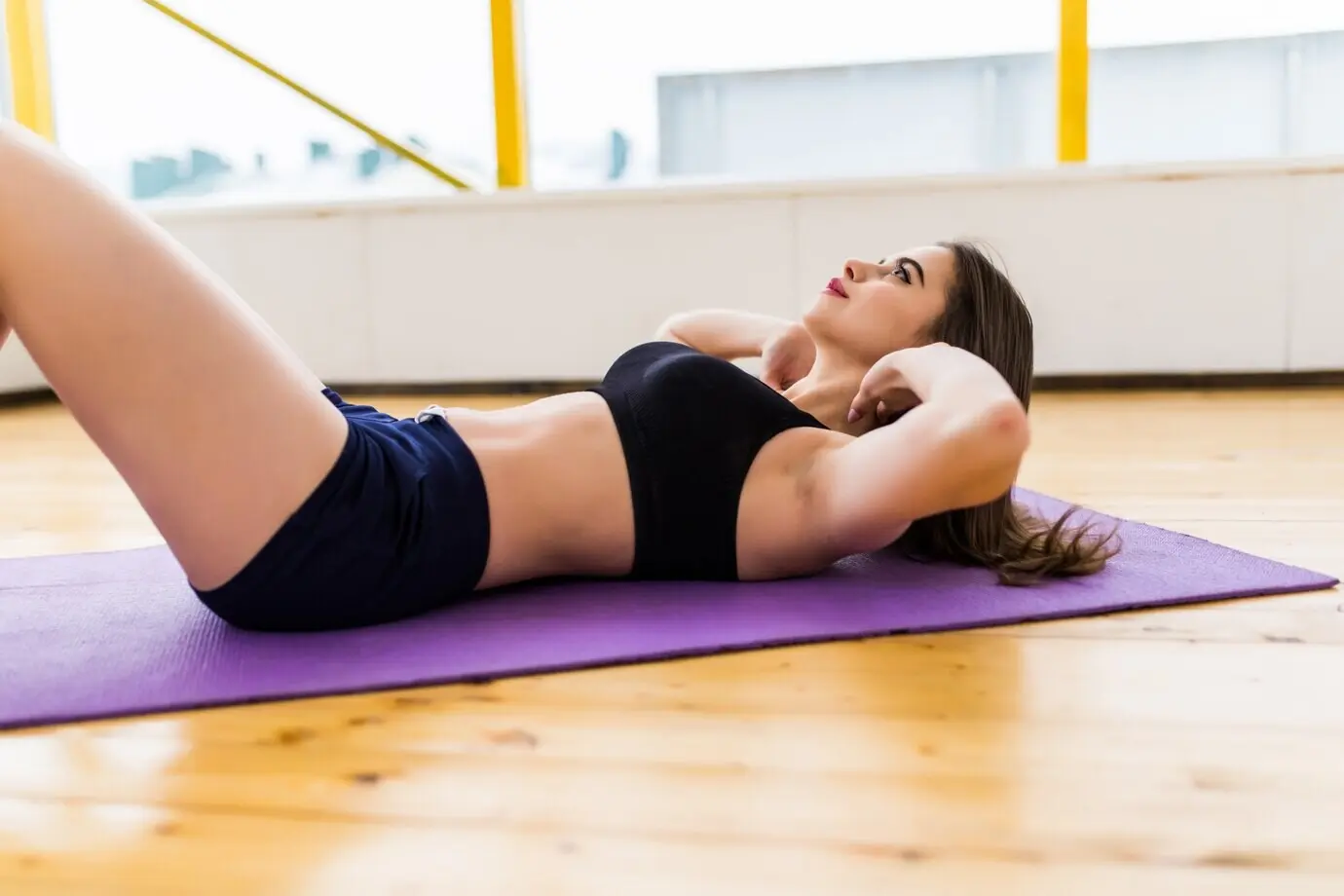
Running often feels natural near 160–180 BPM for fast strides, while cycling sprints frequently pop at 140–165, depending on cadence preferences and gearing. Jump rope jumps comfortably around 120–150, and bodyweight circuits thrive anywhere from 115 for controlled tempo to 170 for short, explosive bursts. Align ranges with joint comfort, breathing patterns, and technique demands. The right window delivers rhythm you can own, not chase, keeping output crisp and recoveries meaningful.

Harmonic Mixing for Seamless Transitions Between Tracks

Blend adjacent keys using the Camelot Wheel to reduce tension at track edges, especially when energy is high. Smooth key relationships cushion intensity changes, so your stride or rep cadence stays uninterrupted through transitions. If you do not mix live, pre‑select tracks with compatible keys or use editor tools to nudge semitones minimally. The goal is frictionless flow: fewer mental jolts, better movement continuity, and deeper immersion in the training narrative.

Data‑Driven Selection: Tools That Do the Heavy Lifting
Finding Accurate BPM and Energy Metadata Fast

Use services like Spotify’s API, Soundiiz, or specialized BPM analyzers to confirm tempo and energy levels before you train. Cross‑check outliers to avoid mid‑session surprises. For indie tracks without reliable tags, analyze locally using DJ software that writes BPM to file metadata. A vetted library pays dividends when time is tight, letting you assemble effective micro‑workouts in minutes instead of second‑guessing tempo during your warm‑up.

Beat Grids, Cue Points, and Auto‑Mixing for Clear Signals

Rekordbox, Serato, and djay Pro can set precise beat grids and cue points that coincide with movement shifts. Mark the eight bars before a chorus to prepare a sprint or a complex set. Auto‑mixing shortens gaps between tracks, keeping rhythm unbroken. Even non‑DJs benefit: accurate downbeats make transitions predictable, reduce cognitive load, and turn your playlist into a reliable training partner that calmly tells you exactly when to surge or breathe.

Timers, Wearables, and Tempo Sync for Feedback Loops
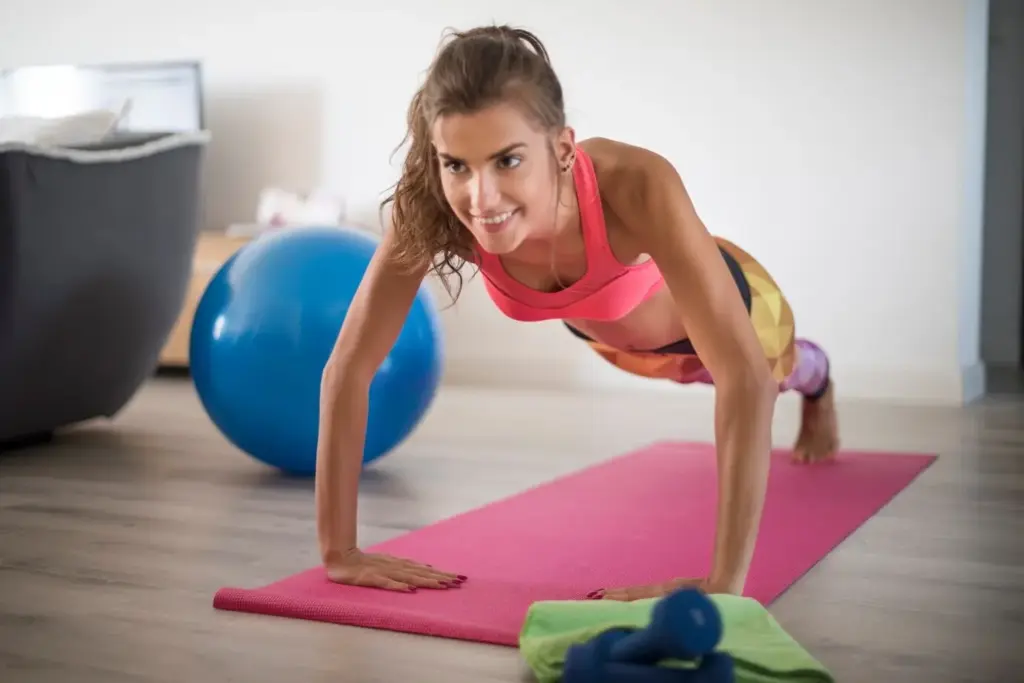
Integrate Intervals Pro, Seconds, or WorkOutDoors with playlists for synchronized prompts. Apple Watch or Garmin haptics can mirror downbeats or mark cadence targets, while metronome overlays reinforce pace during quieter musical passages. Export planned intervals with tempo notes so future sessions remain consistent. This loop—music, cues, sensation—builds self‑trust and measurable progress. Over time, your brain associates specific sounds with actions, shrinking hesitation and accelerating transitions between warming, performing, and recovering.

Beat Entrainment and Perceived Exertion in Real Life

Studies show rhythmic synchronization can improve efficiency and tolerance for discomfort. Practically, that means your legs keep turning when the chorus swells and your mind stops bargaining about stopping early. Cadence becomes a reliable metronome for technique, making hard efforts feel structured rather than chaotic. The beat is not a distraction; it is an anchor that turns fatigue into a pattern you can ride with confidence and surprising grace.

Micro‑Commitments That Slice Through Procrastination

Give yourself permission to do just one song. The low entry cost makes starting easy, and once the music begins, momentum carries you forward. This tiny promise, repeated daily, builds identity as someone who moves, not excuses. Instead of negotiating with time, you collaborate with rhythm. The session ends quickly, but the confidence lasts, adding up to meaningful fitness gains without the emotional debt that often follows long, unfocused workouts.

Reward Loops, Streaks, and Joyful Consistency

After each micro‑workout, tag the track that carried you. Create a favorites folder that becomes both trophy case and toolbox. Streaks form naturally because sessions are short and satisfying. The music you love becomes a reward you earn by moving, not a background distraction. Over weeks, the association deepens: pressing play triggers readiness, not resistance. That subtle shift fuels long‑term adherence better than willpower alone, especially on stressful, time‑crunched days.

Safety, Accessibility, and Personalization
Tempo guides intensity, but your body writes the rules. Adjust BPM to match joints, breathing, and experience level. Favor quality over bravado, especially during explosive tracks. If impact is problematic, translate speed into controlled amplitude or mechanical resistance. Mind volume to protect hearing; fatigue clouds judgment, so quieter mixes can be safer. Build progression gently, celebrate repeatable form, and remember that the right tempo is the one you can sustain beautifully today.

Scaling Movements to Tempo Instead of Chasing Ego
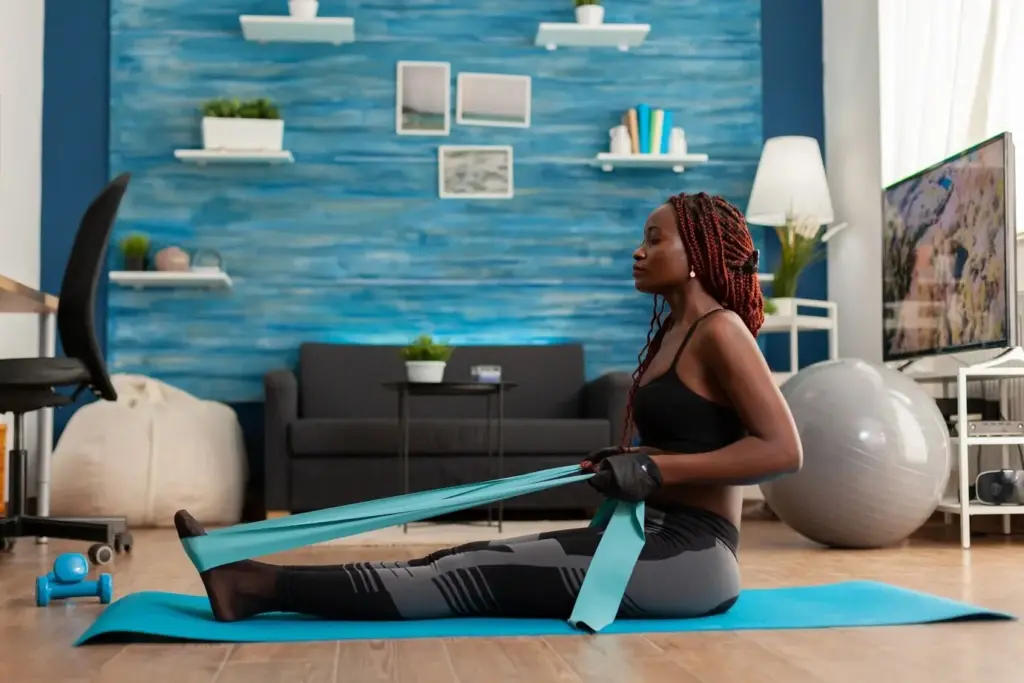
When the chorus hits, scale the movement, not just the speed. Swap squat jumps for fast air squats, or kettlebell swings for hinge‑pattern band pulls. Preserve rhythm with fewer reps at cleaner form if coordination slips. Treat the beat as a guide rail, not a dare. Your long‑term strength and joints will thank you, and you will still feel the satisfying surge of matching effort to musical intensity with confidence.

Inclusive Options and Quiet, Low‑Impact Alternatives

Chair‑supported intervals, marching patterns, or resistance bands can deliver excellent results at moderate BPM without joint strain. For shared spaces, use bone‑conducting headphones or low‑volume earbuds and a visual metronome for timing. Replace jumps with quick step‑backs or tempo‑controlled lunges. The same musical architecture works across abilities; only the movement expression changes. By protecting comfort and dignity, you create a sustainable practice where everyone can feel powerful within a few focused minutes.

Community, Challenges, and Next Steps

Share Your Favorite Tempo Stack and Why It Works

Post a sequence that carries you from warm‑in to peak to calm within five minutes. Include BPM ranges, modality, and a quick note on what the chorus makes you feel. Others will test it, refine it, and return the favor. This exchange builds a living library where every contribution becomes a springboard for someone else’s progress on a day when momentum feels just out of reach.

Weekly Challenge: Two Songs, One Serious Sweat

Pick one priming track and one peak track. Set a simple goal—clean reps, controlled breathing, or a steady cadence through both choruses. Share your setup and reflections afterward: what surprised you, what flowed, and what you would tweak. Small challenges create reliable wins and keep playlists evolving. Over time, these micro‑rituals become anchors that make consistency feel effortless, even when life gets noisy and complicated.

Subscribe, Collaborate, and Shape Future Builds

Join for curated BPM sets, annotated transitions, and modality‑specific edits that match your goals. Suggest tracks, vote on upcoming experiments, and request breakdowns for your favorite movements. We will spotlight community playlists and test them live in short sessions. Your feedback directs what we refine next, ensuring fresh, effective options whenever you have a minute and a song. The library grows with you, one energized micro‑workout at a time.

Nenazevanaru
Privacy Overview

This website uses cookies so that we can provide you with the best user experience possible. Cookie information is stored in your browser and performs functions such as recognising you when you return to our website and helping our team to understand which sections of the website you find most interesting and useful.