Stronger in Less Time: Circuits That Follow the Music
Today we lean into Compact Strength and Core Circuits Aligned with Back-to-Back Tracks, turning consecutive songs into focused blocks that blend muscular power, trunk stability, and steady breathing. Expect smart pairings, minimal transitions, and a flow that respects busy schedules while still driving measurable progress. Bring a timer, your favorite playlist, and curiosity; leave with a system you can repeat, refine, and enjoy.
Why Short Circuits Deliver Big Results
{{SECTION_SUBTITLE}}

The Science of Density
Packing work into defined intervals increases mechanical tension and elevates heart rate just enough to boost conditioning without compromising form. You teach the body to produce force while maintaining trunk control, a transferable skill for sport and daily life. Studies on cluster sets and time-limited circuits show improved power maintenance with less fatigue spillover. The result is consistency you can feel, record, and steadily improve each week.
Stacking Tracks, Stacking Gains
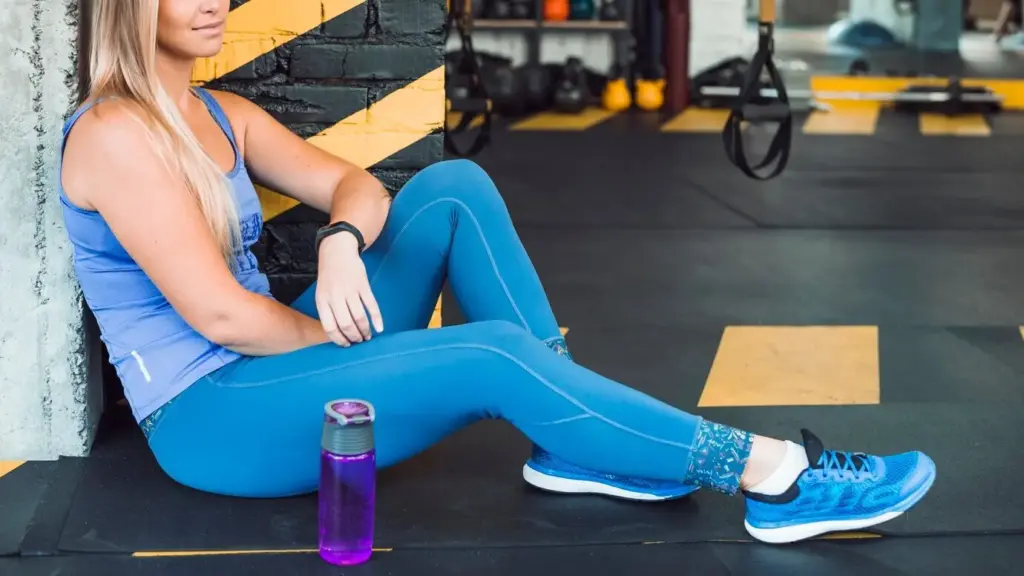
Back-to-back songs create a simple, reliable framework: start strong on the first track, then anchor core stability on the second. The music’s structure reduces decision fatigue, while predictable crescendos encourage well-timed pushes. Instead of watching a stopwatch, you ride the chorus and verse changes. That rhythm fosters adherence, and adherence builds momentum, transforming sporadic workouts into a sustainable practice supported by sound, breath, and clear movement standards.
Designing Two-Track Blocks That Flow
Structure is your ally. Assign the first track to primary strength—push, pull, hinge, or squat—and the second to core integrity—anti-rotation, anti-extension, or controlled flexion. Keep equipment minimal so transitions take seconds, not minutes. Choose rep ranges that fit verses and choruses. The aim is seamless continuity: as the final chord rings out, you have both muscular stimulus and trunk stability, with room to breathe before the next block begins.
Track One: Prime and Load
Begin with a movement that accepts load and teaches full-body tension, such as a kettlebell deadlift, goblet squat, or push press. Pair it with a complementary drill like a band pull-apart or a mobility pulse during musical breaks. Keep the pattern consistent across sets so the music becomes your metronome. You’ll feel rhythm guide tempo, rest, and intent without overthinking, allowing better technique and safer progressive overload across weeks.
Track Two: Core and Stability Finish
Shift into core patterns that protect the spine while integrating hips and shoulders. Think plank variations, dead bug progressions, or pallof presses timed to chorus peaks. Emphasize force transmission rather than crunching volume. Slow exhales on longer notes help downregulate while keeping muscles engaged. You finish grounded and aligned, not gassed and sloppy, ready to either repeat the block or transition into a new movement pairing with confidence.
Transitions Without Losing Momentum
Place tools within arm’s reach, pre-load weights, and rehearse the order before pressing play. Use intros and outros to adjust straps, chalk hands, or set your stance. Avoid long explanations mid-session; a single cue per set keeps focus sharp. If equipment is limited, swap accessory moves rather than the primary driver. These micro-optimizations compound, preserving intensity and allowing your playlist to carry you forward without awkward pauses or lost energy.
A Compact Library of High-Impact Movements
Push–Pull Pairings That Pop
Alternate a push like the floor press or dumbbell push press with a pull such as a one-arm row. This pairing balances the shoulder girdle and invites strong trunk engagement. Use the verses for controlled reps and the chorus for an isometric hold. The contrast keeps posture honest while the playlist nudges tempo. As weeks pass, add small load increases or an extra rep per verse without bloating session length.
Lower-Body Drivers With Anti-Rotation
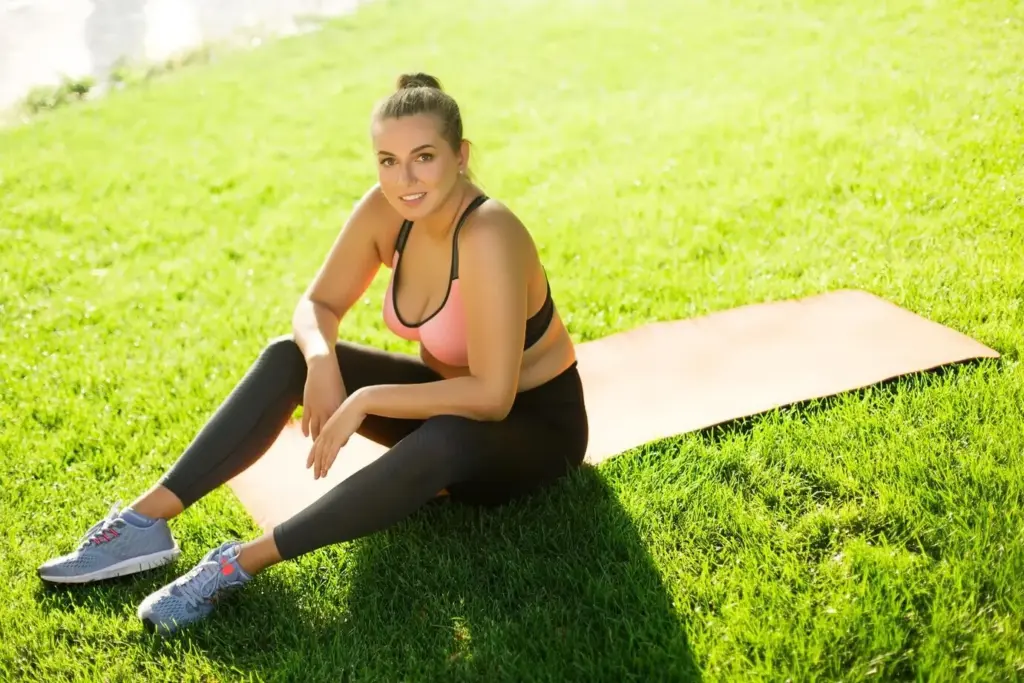
Blend a hinge or squat with a core drill that resists twist, like a suitcase hold or half-kneeling pallof press. You train hips to generate power while the torso stays quiet, reinforcing clean mechanics. Tempo squats and Romanian deadlifts pair beautifully with steady exhalations. Feel the beat guide descent and ascent, then lock in neutrality during the core set. Your spine learns stiffness where needed and fluidity where helpful.
Core Finishers That Respect the Spine
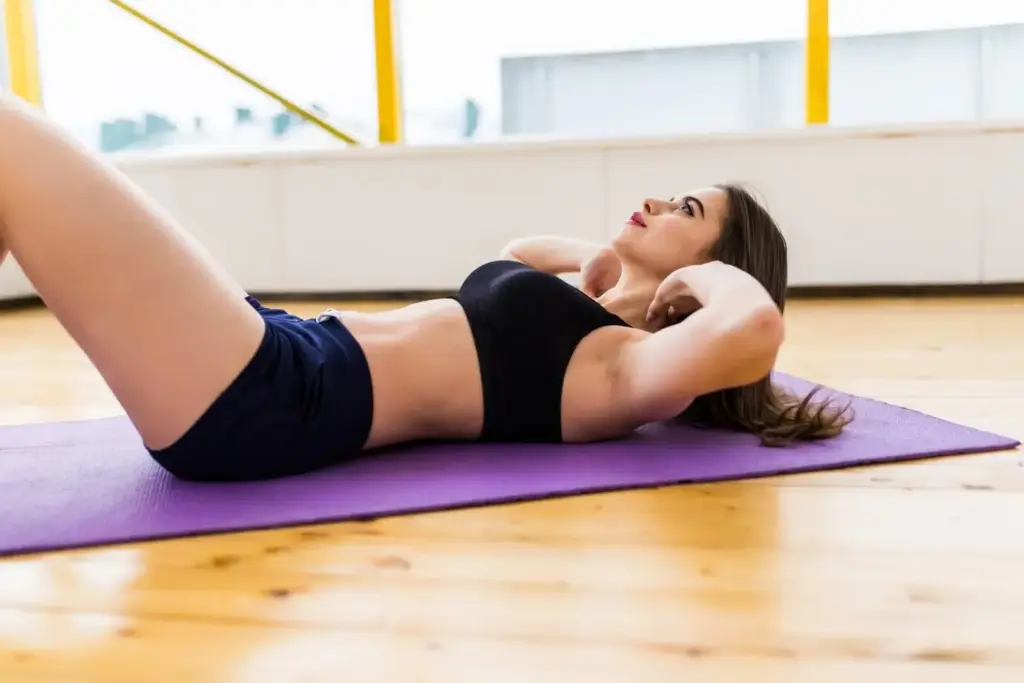
Choose planks with reach, dead bugs with mini pauses, or farmer carries that demand attention. These finishers fortify breathing patterns, pelvic control, and shoulder stacking. Avoid racing; precision beats repetition races here. Let the bridge, hook, or final chorus serve as your countdown. When the song ends, you leave feeling integrated rather than fried, ready to move into the next block or wrap with a confident cooldown ritual.
Progressions for Every Level
Whether you’re reintroducing movement after a break or refining hard-earned strength, two-track blocks scale beautifully. Adjust load, range, and tempo before adding volume. Keep standards crystal clear and celebrate small wins—an extra controlled rep, a steadier breath, a cleaner rack position. The goal is not exhaustion; it’s repeatable quality. Measurable micro-progress builds belief, and belief fuels consistency, which ultimately delivers the resilient body and focused mind you’re training for.
Beginner Variations With Confidence
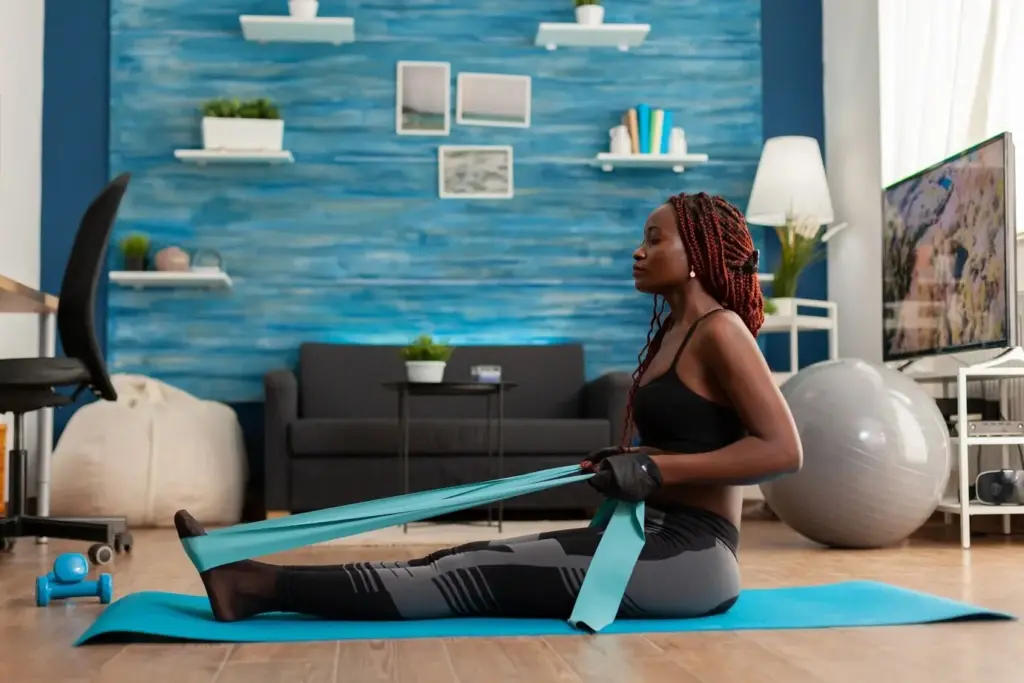
Start with bodyweight and light implements, emphasizing posture, breath, and smooth transitions. Swap complex lifts for stable patterns like goblet squats, hip hinges with dowel feedback, and tall-kneeling presses. Keep the second track to simple anti-extension core work, counting slow exhalations instead of chasing reps. Your only measure early on is control. As confidence grows, increase load in tiny steps while keeping the same musical framework and cues.

Intermediate Challenges That Build Capacity
Introduce unilateral work, moderate loading, and tempo play. Try offset front-rack carries into plank reach-throughs, or split squats paired with banded rows. Exploit choruses for slightly higher output, then use verses for controlled eccentrics. Record loads and reps by song so you can compare apples to apples next week. The structure keeps you honest while leaving room for creative pairings that keep training fresh without diluting intent.
Music, BPM, and the Art of Flow
Breath Cadence Meets Beat Cadence
Use the downbeat to cue bracing and exhalation, syncing exhales with concentric effort and inhalations with controlled lowering. This alignment steadies intra-abdominal pressure and trims energy leaks. Over time, breathing to the beat becomes automatic, helping you stay composed when the work bites. If lyrics clutter focus, favor instrumental tracks or cleaner mixes so your mind can track rhythm, position, and intent without a tug-of-war for attention.
Seamless Edits, No Dead Air
Gaps between tracks break arousal and steal time. Build playlists with clean transitions or use a crossfade of a few seconds to glide between blocks. Test the list once before training day, verifying levels and intros so you know exactly when sets start. A tiny setup ritual during the fade—grip check, foot placement, cue reminder—keeps everything moving, ensuring the music remains a supportive rail rather than a wobbly distraction.
Motivation Without Overload
High-energy songs can lift intent, but relentless intensity may push technique into slop. Alternate energetic tracks with steadier pieces to maintain quality. If you notice rushing, drop BPM or change genres for a week. Luis, a weekend runner, found lo-fi beats improved squat tempo and breath control dramatically. Calibrate sound to behavior, and remember the goal: clear positions, strong bracing, and a finish that leaves you wanting tomorrow’s session.


Recovery, Tracking, and Community Momentum
What you measure improves, and what you share lasts. Log loads, reps, and the exact tracks used, then note how transitions felt and where breath faltered or flowed. End each session with two minutes of gentle mobility and long exhales. Invite a friend or our readers to compare playlists, swaps, and cues. Comment with your favorite pairings, subscribe for new two-track templates, and help shape the next set of compact sessions.
All Rights Reserved.