Turn Intervals into Music: Fast Workouts That Hit Like a Favorite Chorus
Today we dive into mapping HIIT intervals to verse–chorus–bridge structures for rapid sessions, transforming minutes into meaningful work by borrowing the emotional arc of great songs. Expect punchy bursts, creative resets, and steady builds that make pacing intuitive, motivation effortless, and consistency surprisingly fun. If a playlist ever carried you through a tough moment, this approach will feel natural, empowering, and refreshingly simple to follow without staring at a clock.
How Song Structure Shapes Intensity
Popular music often moves from storytelling verses into attention-grabbing choruses, before a bridge introduces contrast and fresh energy. That arc mirrors effective interval training: moderate efforts lay groundwork, sprints surge, and strategic resets preserve quality. By aligning work with these familiar patterns, you remove guesswork, reduce mental fatigue, and elevate adherence. The structure does not restrict creativity; it liberates it, letting you ride rhythm and emotion while maintaining purposeful training intent.
Use verses as controlled, sustainable effort where breathing deepens but remains conversational. Picture pedaling smoothly, jogging comfortably, or cycling bodyweight circuits with precise form. The storytelling feel encourages focus on mechanics, posture, and intention. Because verses repeat, they reinforce a dependable pace anchor. After two or three verses across a short session, you will notice smoother transitions, fewer spikes of panic, and a stronger base for explosive moments without sacrificing recovery quality.
When the chorus hits, surge into short, confident bursts that feel like the hook of the song: undeniable, bold, and memorable. Keep intervals brief yet intense, using crisp cues like drive, punch, or lift. Imagine rhythmic sprints, kettlebell swings, or fast mountain climbers matching a big refrain. Each chorus is finite and familiar, preventing dread while inviting full commitment. You learn to pour energy into repeatable highlights, trusting the music to guide timing and effort control.


Science Behind Rhythm-Driven Effort
Music entrains movement through predictable beats, helping the brain coordinate timing and the body reduce perceived effort. Familiar structures lower cognitive load, freeing attention for posture, foot strike, and breathing. Peaks feel easier to access when you anticipate them emotionally. Dopamine and noradrenaline responses can align with musical tension and release, enhancing motivation. The result is focused intensity that arrives on cue, sustained by rhythm, and reinforced by a sense of narrative that keeps you returning.
Your nervous system loves predictability, and a clear beat provides it. Matching steps, strokes, or reps to rhythm reduces movement variability and smooths pacing. This synchronization conserves energy by minimizing unnecessary corrections. Choose tempos that complement your sport: runners might lock into half-time steps, cyclists match pedal strokes to consistent measures, and lifters time concentric drives to strong downbeats. With cadence aligned, your brain focuses on power delivery instead of timing micromanagement, increasing both confidence and output.
Rate of perceived exertion floats less when intensity aligns with predictable musical moments. Verses anchor moderate effort, bridges calm the system, and choruses invite brief surges. Predictability reduces anxiety about the unknown, letting you commit hard without fear of endless suffering. Over weeks, your body learns these anchors, so you accelerate into peaks automatically, maintaining sustainable averages. This blend of ritual and novelty keeps you honest, supports progressive overload, and enhances pacing even during equipment-free, minimalist training.
Music and Movement Pairings
Optimal pairings marry tempo, movement complexity, and fatigue profiles. Use steady mid-tempo for controlled strength, bright high-tempo for sprints, and spacious bridges for quality recovery. Genre matters less than clarity of rhythm and emotional contour. Choose tracks with pronounced choruses and bridges you can recognize instantly. Rotate movement families—push, pull, hinge, squat, sprint—to distribute stress. This harmony between sound and selection eliminates guesswork, prevents overuse, and makes each minute purposeful, enjoyable, and surprisingly repeatable throughout busy weeks.

Novice-Friendly Modifications
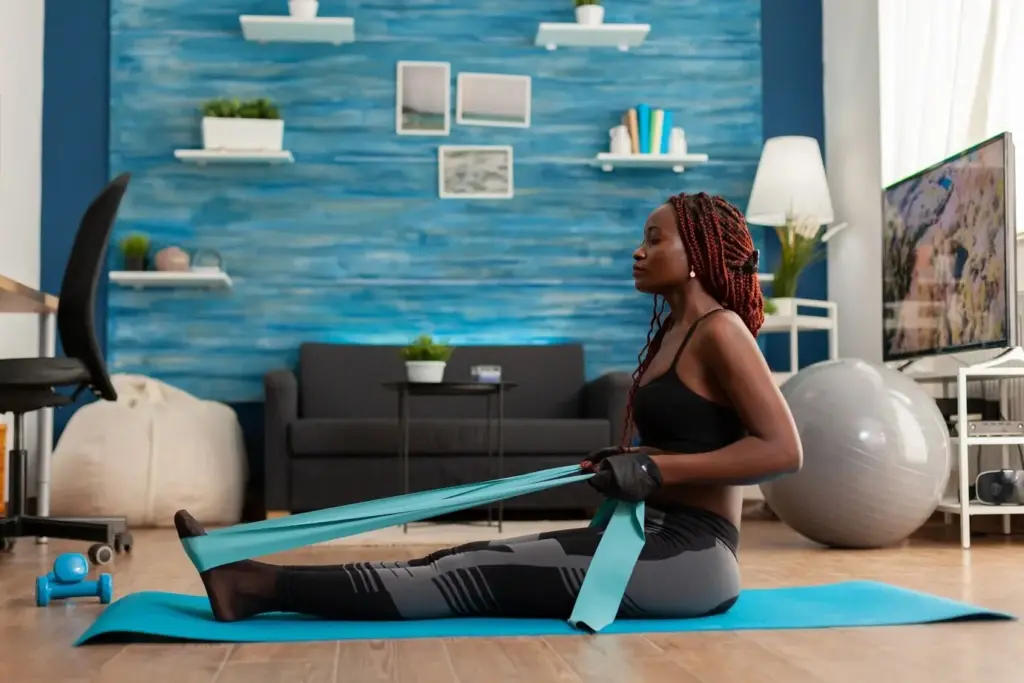
Beginners can treat verses as brisk walks or slow cycling, choruses as quick strides or light tempo pushups, and bridges as breath-focused mobility. Keep work windows short and recovery generous. Replace jumps with fast step-ups, heavy swings with light band pulls, and deep squats with supported variations. The goal is confidence, not conquest. Over time, reduce assistance, extend chorus duration slightly, and introduce playful complexity. Celebrate controlled breathing and crisp posture as much as raw speed or power numbers.

Progressive Overload Without Burnout
Advance systematically: nudge tempo, shave a few seconds from bridges, add one more chorus rep, or swap in a marginally more complex movement. Keep only one variable moving at a time so adaptation outpaces fatigue. Every few weeks, deload with slower tracks and extra mobility. This microperiodization fits busy lives, respects recovery, and builds impressive work capacity quietly. The music ensures intensity arrives on schedule, while your plan ensures it remains productive, sustainable, and joyfully repeatable throughout the year.
Form First, Always
Let rhythm support technique rather than distract from it. Cue tall spine, stacked ribs over pelvis, and relaxed neck during verses. On choruses, think drive from the hips, grip the ground, and snap with intent without chasing speed past control. During bridges, scan alignment, breathe low, and reestablish balance. If music invites chaos, you rewrite the invitation: precision with personality. Great sessions are not louder; they are cleaner, safer, and deliver power that feels reliable and repeatable.
Playlists, Tracking, and Community
A thoughtfully sequenced playlist doubles as a coaching plan, while simple tracking proves progress that fuels commitment. Share your favorite sets with friends, trade tracks that spark effort, and swap stories about finishers that felt cinematic. Invite accountability partners to attempt the same cycles and compare notes. Ask questions, request breakdowns, and subscribe for weekly mixes tuned to effort arcs. Community turns clever structure into a lasting habit, keeping spirits high and calendars full of short, meaningful victories.
Curate Playlists That Tell a Story
Build sets with clear verses, unmistakable choruses, and distinctive bridges. Start with an inviting opener, place two or three bangers in the middle, and close with a triumphant track that encourages a final push. Tag songs by tempo, mood, and length so swaps stay simple. Consider instrumentals for focus days, anthems for courage days, and remixes for novelty. Your playlist is a guide rail, reminding you when to surge, when to polish, and when to breathe deliberately.
Simple Metrics That Keep You Honest
Track session length, movements used, approximate RPE for verses and choruses, and how many clean reps you sustain before form wobbles. Add a one-line feeling note: energized, flat, or jittery. Over time, look for smoother peaks, steadier pacing, and shorter recovery needs. Avoid complex spreadsheets that discourage use. A tiny log survives, and surviving data beats perfect intentions. Let patterns inform tweaks to tempo, movement pairing, and cycle counts without turning training into administrative overhead.
Share Your Setlists and Wins
Post your three best verse–chorus–bridge tracks, your favorite finisher move, and one cue that kept your form sharp. Ask others for genre suggestions you have never tried. Trade ten-minute challenges and report back on how the last chorus felt. Invite friends to subscribe for fresh, ready-to-run playlists and compact coaching notes. Shared momentum matters; when your community hums the same refrain, consistency stops being lonely and becomes a joyful rhythm that pulls everyone forward.
All Rights Reserved.